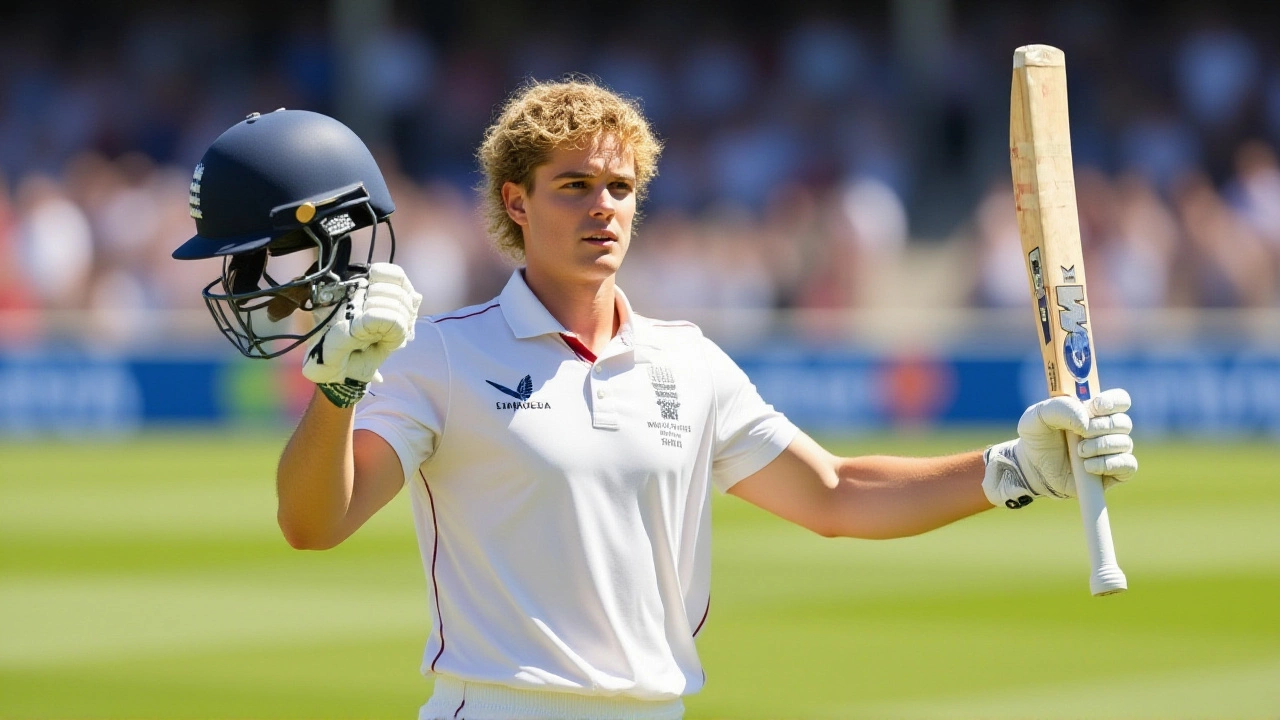
History wasn't just made at the Sydney Cricket Ground; it was rewritten. On day three of the fifth and final Ashes TestSydney, Australia delivered a batting masterclass that shattered a 134-year-old record. They formed seven partnerships of 50 runs or more in their first innings—an feat never before seen in Ashes history.
Here’s the thing: this isn’t just about breaking a number. It’s about dominance. By posting a massive total against England, Australia didn’t just win a game; they effectively sealed the series 4–1, turning a statistical anomaly into a tactical knockout blow.
The Numbers Behind the Noise
Let’s look at what actually happened on the pitch. England batted first, setting a respectable target of 384 runs, anchored by a brilliant 160 from Joe Root. But when Australia replied, something shifted. The ball seemed to lose its bite, and the Australian batsmen found a rhythm that refused to break.
By stumps on day three, Australia had reached 529 for 7. That’s a lead of over 140 runs. But the headline-grabber is the consistency. Seven separate pairs of batsmen added 50-plus runs together. In the entire 134-year history of the Ashes, no team had ever achieved six such partnerships in a single innings—let alone seven. The previous record of six stood since 1892, set by England in Adelaide.
Turns out, this kind of depth is rare even in broader Test cricket. Only once before has any team recorded seven 50+ partnerships in an innings: India against England at The Oval in 2007. Australia has now joined that exclusive club, proving that modern batting techniques can still produce old-school resilience.
Smith and Head: The Engine Room
You can’t talk about this innings without mentioning Steve Smith. The Australian captain didn’t just bat well; he batted with the weight of history on his shoulders. He remained unbeaten on 129 at the end of day three, marking his 37th Test century. By the start of day four, he had extended that to 138 off 220 balls. That’s not flashy hitting; that’s grinding, patient, frustratingly effective cricket.
But wait—there was another star. Travis Head provided the aggression Australia needed early on. His score of 163 set the platform for Smith to take over. Then there’s Beau Webster, who contributed a solid 71 not out. This wasn’t a one-man show; it was a collective effort where every middle-order batter stepped up when required.
The combination of Head’s explosive intent and Smith’s classical defense created a partnership that England’s bowlers simply couldn’t crack. It’s a classic example of how contrasting styles can complement each other perfectly under pressure.
Why This Matters Beyond the Scoreboard
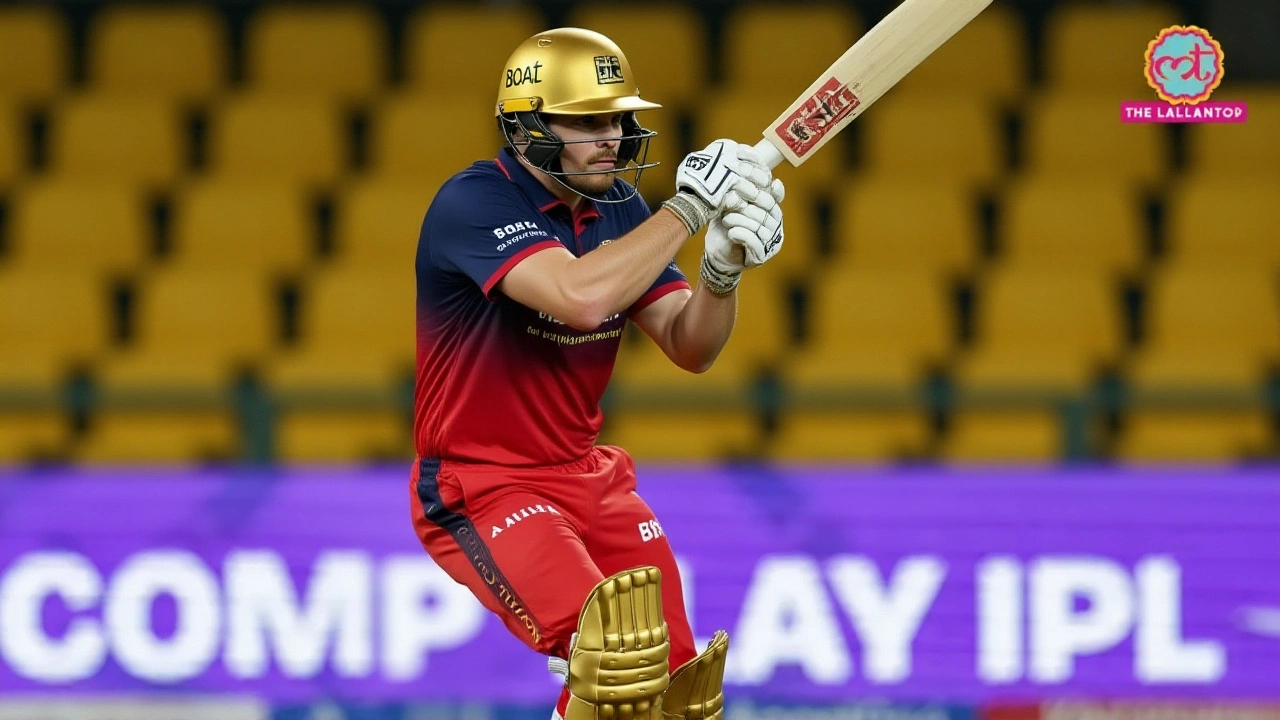
This performance changes the narrative of the 2026 Ashes. Coming into the fifth Test, Australia led the series 3–1. A draw would have secured the urn, but this dominant display leaves England with little hope. To win, England would need to chase a huge target on a deteriorating pitch—a near-impossible task.
Analysts are calling this a "decisive step" toward a 4–1 series victory. It shows that Australia’s batting lineup has depth, not just talent. When you have seven partnerships of 50+, it means wickets aren’t falling in clusters. It forces the opposition to bowl long spells, leading to fatigue and errors. That’s psychological warfare as much as it is technical skill.
The 1892 record held by England felt untouchable until now. Breaking it in Sydney, arguably the most iconic cricket ground in Australia, adds a layer of poetic justice. It’s a statement that while England invented the spirit of the Ashes, Australia currently owns its future.
What Comes Next?
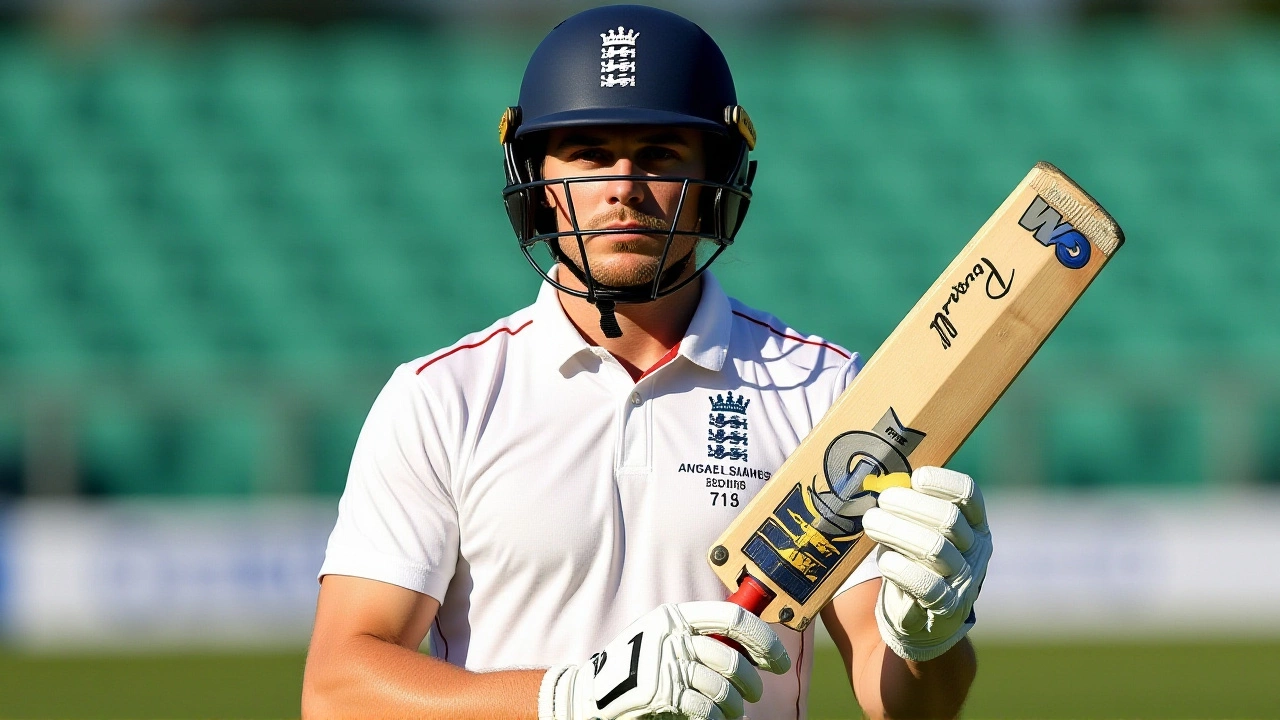
With Australia sitting comfortably at 529/7, the focus shifts to whether they will declare soon to give themselves enough time to bowl England out twice. If the pitch breaks up significantly on days four and five, England’s top order could face severe trouble.
For fans, the question isn’t really if Australia will win, but how comfortably. The record-breaking nature of the innings suggests that the Australian side is peaking at the right time. As we head into the final two days, all eyes will be on whether England can mount any resistance or if this will become a formality.
Frequently Asked Questions
What record did Australia break in the 5th Ashes Test?
Australia broke the Ashes record for the most 50+ run partnerships in a single innings. They formed seven such partnerships, surpassing the previous record of six set by England in 1892. This is only the second time in Test cricket history this has been achieved, after India in 2007.
Who were the key contributors in Australia's historic innings?
Steve Smith scored an unbeaten 138 (his 37th Test century), Travis Head contributed a rapid 163, and Beau Webster added 71 not out. Their combined efforts ensured that multiple partnerships crossed the 50-run mark, creating a formidable total of 529/7 by day three.
How does this affect the overall Ashes series result?
Australia already led the series 3–1 entering this match. By establishing a massive lead in the first innings, they have put themselves in a commanding position to win the match and seal the series 4–1. England faces a nearly insurmountable challenge to avoid whitewash-like conditions.
When was the previous Ashes record set?
The previous Ashes record of six 50+ partnerships in an innings was set by England in 1892 during a Test match in Adelaide. It stood for 134 years until Australia’s performance in Sydney in 2026 surpassed it.
Has any other team achieved seven 50+ partnerships in Test cricket?
Yes, only one other team has achieved this. India recorded seven 50+ partnerships in a single innings against England at The Oval in London in 2007. Australia is now the second team in Test history to reach this milestone.