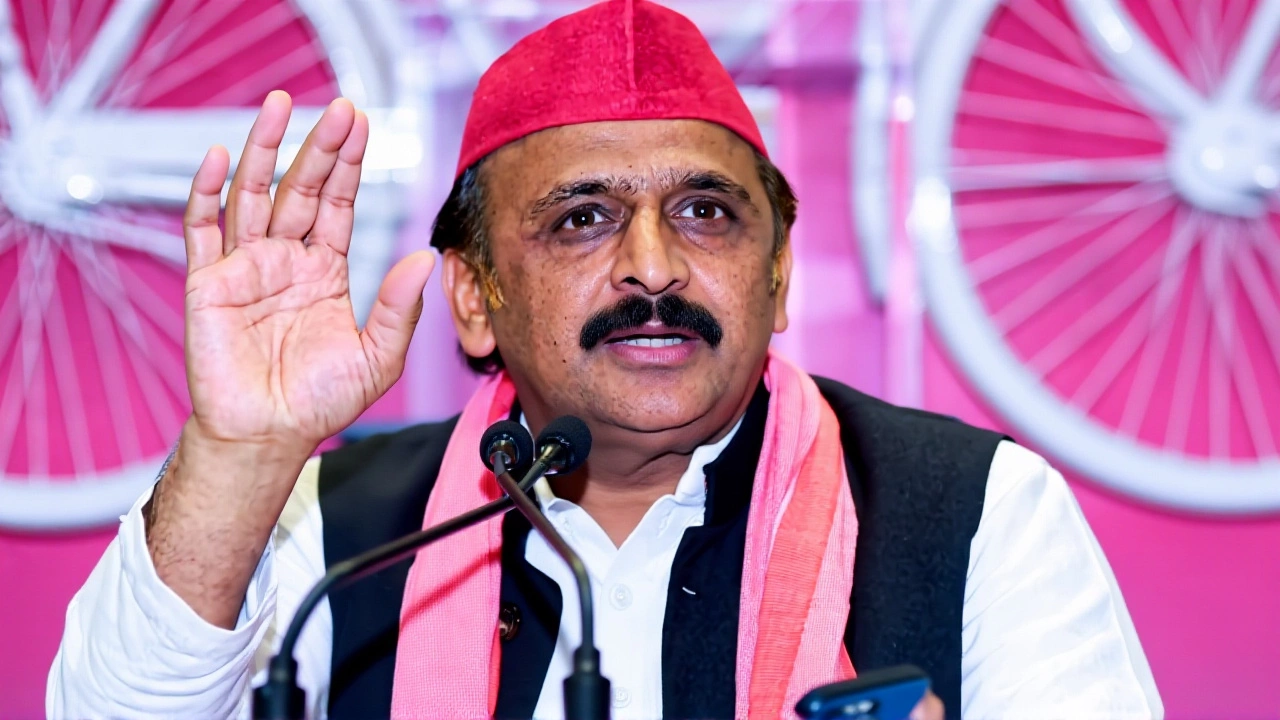
When Bharatiya Janata Party (BJP) announced its results from the 2026 Gujarat Local Body ElectionsGujarat, it wasn't just a win—it was a statement. The ruling party secured control of all 15 municipal corporations and nearly every district panchayat in the state, cementing its dominance ahead of next year’s assembly polls. But here’s the twist that caught headlines: for the first time, the Samajwadi Party made an official entry into Gujarat’s local political landscape.
The numbers are staggering. In urban centers, the BJP didn’t just participate; they dominated. They won 937 out of the total seats across municipal corporations, leaving the Indian National Congress with a mere 95 and the Aam Aadmi Party (AAP) with just 10. It’s a stark contrast to the 2021 elections, where AAP had emerged as a serious challenger in cities like Surat. This time? Their influence has shrunk dramatically.
A Complete Urban Sweep
Let’s talk specifics because the data tells a compelling story. In Surat, one of India’s largest cities by population, the BJP captured 115 out of 120 seats. That’s not just a majority; it’s near-total control. Compare that to 2021, when AAP held 27 seats there. Now? They’re down to four. Even in Rajkot, the BJP took 65 of 72 seats, while Vadodara saw them secure 55 out of 58.
But wait—the real shocker might be in smaller towns. In places like Morbi and Porbandar, the BJP achieved a clean sweep, winning every single seat available. No opposition representation. At all. It suggests a level of organizational strength that goes beyond just campaigning; this is deep-rooted local machinery working at full capacity.
Across municipalities, the trend holds. Out of 84 municipalities, the BJP won 78. The Congress managed only six victories. When you look at the seat distribution—1,988 seats for BJP versus 459 for Congress—the gap isn’t just wide; it’s widening.
Rural Dominance and Panchayat Power
If urban areas showed strength, rural Gujarat confirmed supremacy. In district panchayats, the BJP claimed 33 out of 34 districts. Only one slipped through their fingers. With 887 seats won compared to Congress’s 136, the message is clear: even in villages, the BJP’s network remains unchallenged.
Taluka panchayats tell a similar tale. While final counts were still rolling in during early reporting phases, initial figures showed the BJP leading with 3,667 seats against Congress’s 1,050. Some reports indicated they controlled 220 out of 260 taluka bodies—a testament to grassroots penetration that few parties can match today.
Why does this matter? Because local governance shapes policy implementation on the ground. Water supply, waste management, road repairs—all these issues start here. Control over local bodies means control over public perception before state-level elections.
The Samajwadi Party Surprise
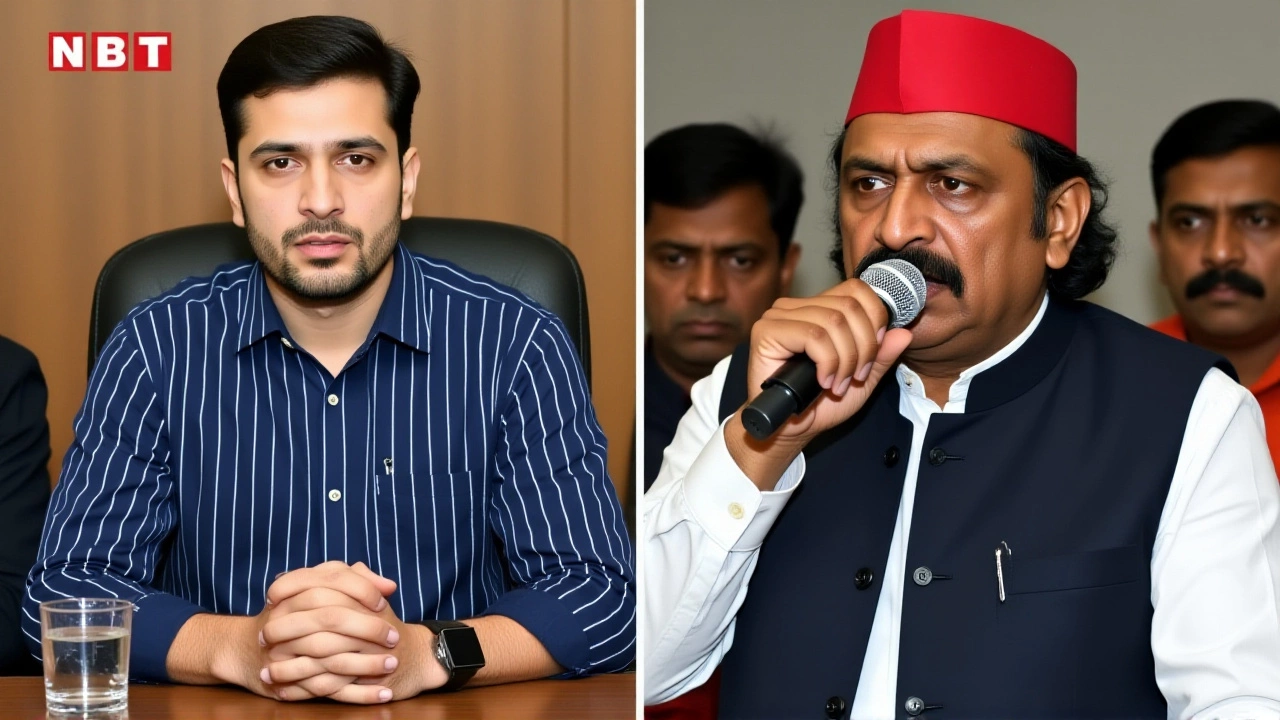
Here’s where things get interesting. Amidst all the BJP triumphalism, a Hindi news channel ran a live headline stating: “Gujarat Nikay Chunav Mein SAP Ne Khola Khata!” (“SP Opens Account in Gujarat Local Elections”). For context, the Samajwadi Party has historically been absent from Gujarat politics. Its presence here—even if limited—is symbolic.
Details remain sparse. There’s no official breakdown of how many seats or wards the SP actually won. Was it one ward? Five? Ten? We don’t know yet. What we do know is that media outlets seized upon this moment, framing it as a potential shift in regional dynamics. Whether this translates into lasting impact remains to be seen—but symbolism matters in politics.
One anchor noted during coverage that this could signal future expansion plans by northern-based parties looking southward. Others dismissed it as noise amidst BJP’s overwhelming performance. Either way, it marks a new chapter—one worth watching closely.
Voter Turnout and Early Trends
Engagement levels varied depending on locality. Municipal corporations recorded a 55.1% voter turnout, while municipalities saw higher participation at 65.53%. These figures suggest stronger civic interest in smaller administrative units—perhaps due to more direct service delivery responsibilities.
Early counting trends revealed something else too. By 11 AM on counting day, the BJP led in 575 constituencies, Congress trailed in 50, and others accounted for 11 leads. Though preliminary, these indicators aligned with final outcomes, reinforcing confidence in pre-election polling models.
Historical Context and Future Implications
To understand why this result feels significant, consider what happened five years ago. In 2021, the BJP also swept major municipal corporations—including Ahmedabad, Surat, Vadodara, Rajkot, Bhavnagar, Jamnagar—and Gandhinagar later that year. Back then, AAP posed a credible threat, especially in Surat and Gandhinagar. Today, that challenge has faded.
This election serves as a semi-final test before the 2027 Gujarat Assembly Elections. Political analysts view such local contests as bellwethers—they reflect shifting allegiances, campaign effectiveness, and ground realities without the high stakes of statewide campaigns.
For the BJP, this victory reinforces momentum. For opposition parties, it raises urgent questions about strategy, messaging, and relevance. And for newcomers like the Samajwadi Party, it offers both opportunity and cautionary tales about breaking into entrenched systems.
Frequently Asked Questions
How did the BJP perform in Surat Municipal Corporation?
The BJP won 115 out of 120 seats in Surat, marking a dramatic reversal from 2021 when the Aam Aadmi Party held 27 seats. This near-complete sweep demonstrates strengthened local organization and declining AAP influence in key urban centers.
What role did the Samajwadi Party play in these elections?
While exact details aren’t publicly confirmed, media reports highlight the Samajwadi Party’s historic debut in Gujarat local politics. One prominent TV channel headlined their “account opening,” signaling possible strategic moves despite lack of detailed seat-wise data.
Why are local body elections important for national parties?
Local elections serve as testing grounds for larger campaigns. They reveal voter sentiment, assess leadership capabilities, and help refine strategies ahead of state assembly or general elections. Winning locally builds credibility and infrastructure crucial for broader success.
How does this compare to the 2021 Gujarat local elections?
In 2021, the BJP similarly dominated but faced notable challenges from AAP, particularly in Surat and Gandhinagar. By 2026, AAP’s footprint had significantly diminished, allowing BJP to consolidate power further across urban and rural landscapes alike.
What impact will this have on the 2027 Assembly Elections?
This landslide strengthens BJP’s position heading into 2027. Opposition parties must rethink outreach tactics and candidate selection. Meanwhile, any new entrants like the Samajwadi Party face steep uphill battles unless they demonstrate tangible local engagement quickly.